
Thank you for Subscribing to Retail Business Review Weekly Brief

Giant Food
Tonya Douglas, Senior Vice President, Omnichannel Merchandising
Customer-Centric Merchandising and the Future of Retail
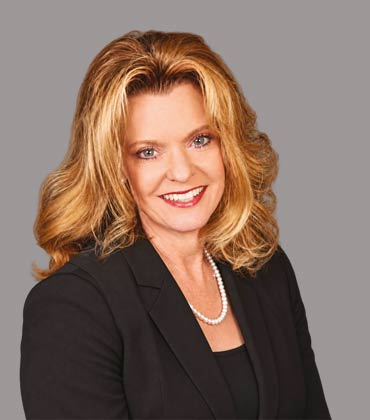
Tonya Douglas
One thing I have learned is that customers do not think in channels, and neither should we. They want to shop when, where and how it works best for them, whether they browse online, shop in-store or choose pickup.
Working across both digital and store environments has taught me to look at the full journey. What are customers searching for? Where are we making things harder than they need to be? And how can we make it easier for them to find the products, savings and meal solutions they need? For me, it’s not about perfecting each channel on its own. It’s about making the entire experience easier and helping customers put dinner on the table. Balancing Data with Real-World Customer Insights I start with what the customer is telling us, and I look for that answer in both the data and the store experience. Shopping patterns can show where demand is moving, but conversations with our store teams help us understand why. Customers may be stretching tighter budgets, looking for healthier choices or simply trying to get dinner on the table faster after a busy day. That is why I do not believe the best merchandising decisions can be made from behind a desk. Data gives us an important part of the answer, but being in our stores and listening to our teams helps us understand what is really happening and what our customers need from us. Keeping Pace with Changing Customer Needs Customers now have more choices, greater access to information and higher expectations. They compare prices, shop across channels and seek products that fit their routines, budgets and values. Retailers must look beyond placing another item on the shelf to understand what customers need and how to meet that need, whether through an affordable meal, a healthier choice or a time-saving option. Affordability, quality and trust will always matter. We must keep listening and adapting as our customers’ lives change. Building Trust through Change I have learned that growth usually begins when you step outside your comfort zone. At one point, I left a company where I had spent 25 years, moved across the country and stepped into an area of business I had never led before. I made a bet on myself, and that experience changed how I think about both growth and leadership. I have also learned that you have to lead change with empathy. Strategy matters, but people bring it to life. Leaders need to listen, explain why the change is happening and understand that people may need different kinds of support along the way. People are much more willing to embrace change when they understand the why and know their leader is there to support them. Advice for Retail Merchandise Professionals First, stay curious. Retail is always changing, and there is always more to learn. Ask questions, seek out new experiences and stay open to opportunities you may not have planned for. Second, do not wait until you feel completely ready. Some of the best opportunities in my career came from saying yes and learning along the way. My career has been less like a ladder and more like a jungle gym, with lateral moves that broadened my experience and prepared me for what came next. When you think about career growth, do not just look up and look beside you, too. And finally, build relationships and treat people well. Be yourself, show up for others and remember that your reputation follows you throughout your career. Skills can be taught, but your character and the way you make people feel will stay with you. Sometimes the opportunity that stretches you the most is the one that changes your career.The articles from these contributors are based on their personal expertise and viewpoints, and do not necessarily reflect the opinions of their employers or affiliated organizations.
